

Top Learning Resources for Parents: Nurturing Young Minds with Love and Care

Every day, we have the wonderful opportunity to guide and support the little ones in our lives. Whether we are helping with homework, encouraging curiosity, or simply sharing a story, the right tools can make all the difference. Finding the best learning resources for parents can feel overwhelming, but I’m here to share some warm, inviting, and practical options that truly empower families and educators alike.
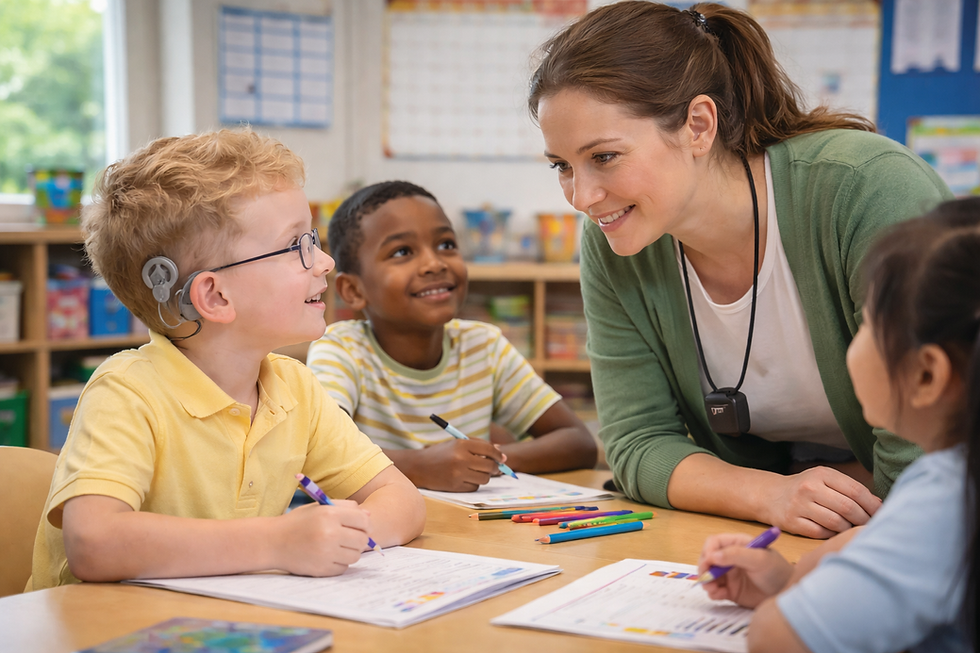
Let’s explore some of the most helpful and inclusive resources that celebrate diversity, build resilience, and support Deaf and Hard of Hearing children. Together, we can create a nurturing environment where every child feels seen, heard, and loved.
Discovering the Best Learning Resources for Parents
When it comes to supporting children’s growth, having access to quality learning materials is essential. These resources can range from books and websites to apps and community programs. What matters most is that they are easy to use, inclusive, and encourage positive development.
Here are some wonderful options to consider:
Inclusive Children’s Books: Books that feature diverse characters and experiences help children understand and appreciate differences. They also foster empathy and self-confidence.
Interactive Learning Apps: Technology can be a great ally. Apps designed for early literacy, math skills, and language development make learning fun and engaging.
Parenting Websites and Blogs: Trusted online platforms offer advice, activity ideas, and support networks for families.
Community Programs and Workshops: Local libraries, schools, and organizations often host events that bring families together for learning and play.
By choosing resources that align with your family’s values and needs, you create a supportive space where children can thrive.

Embracing Diversity Through Books and Stories
One of the most powerful ways to nurture young minds is through storytelling. Books open doors to new worlds and perspectives. For families supporting Deaf and Hard of Hearing children, books that include sign language, Deaf culture, and diverse abilities are especially meaningful.
Here are some tips for selecting books that celebrate diversity:
Look for stories with characters from different backgrounds, abilities, and family structures.
Choose books that include sign language or are designed with Deaf and Hard of Hearing readers in mind.
Share stories that highlight resilience, kindness, and self-advocacy.
Use books as a starting point for conversations about feelings, challenges, and strengths.
Reading together creates a warm, safe space where children feel valued and understood. It also encourages a lifelong love of learning.
Practical Tools and Tips for Everyday Learning
Learning doesn’t only happen at school or during designated study time. It’s woven into everyday moments. Here are some simple, effective ways to make learning part of your daily routine:
Create a Learning Corner: Dedicate a cozy spot at home with books, puzzles, and art supplies. This invites curiosity and creativity.
Use Visual Supports: For Deaf and Hard of Hearing children, visual aids like picture schedules, flashcards, and sign language charts can enhance understanding.
Incorporate Play: Games, songs, and hands-on activities make learning joyful and memorable.
Set Small Goals: Celebrate progress with achievable milestones to build confidence and motivation.
Stay Connected: Join parent groups or online communities to share experiences and gather new ideas.
These practical strategies help children feel supported and excited about learning every day.

Supporting Emotional Growth and Resilience
Education is not just about academics. Emotional well-being is equally important. Children who feel emotionally secure are more likely to succeed and enjoy learning.
Here’s how we can support emotional growth:
Encourage Expression: Let children share their feelings through words, art, or play.
Model Positivity: Show kindness, patience, and resilience in your own actions.
Teach Problem-Solving: Help children find solutions to challenges, building their confidence.
Celebrate Uniqueness: Emphasize that everyone has strengths and that differences are something to be proud of.
Use Affirmations: Positive statements can boost self-esteem and encourage a growth mindset.
By nurturing emotional health, we help children become strong, compassionate individuals ready to face the world.
Finding the Right Educational Resources for Parents
If you’re looking for a trusted place to find inclusive and empowering materials, I highly recommend exploring educational resources for parents. This platform offers a wonderful collection of books, guides, and tools designed to support families and educators, especially those working with Deaf and Hard of Hearing children.
Creating a Loving Learning Environment Together
At the heart of all these resources is the desire to create a loving, supportive environment where children can flourish. When we combine inclusive materials with patience, encouragement, and understanding, we set the stage for lifelong success.
Remember, every small step counts. Celebrate the moments of discovery, the questions asked, and the smiles shared. Together, we can empower young minds to embrace their unique journeys with confidence and joy.
Thank you for joining me on this journey to find the best learning resources for parents. Let’s continue to nurture, inspire, and uplift every child with love and care.


Comments